March’s Seasonal Vegetable Spotlight: Carrots
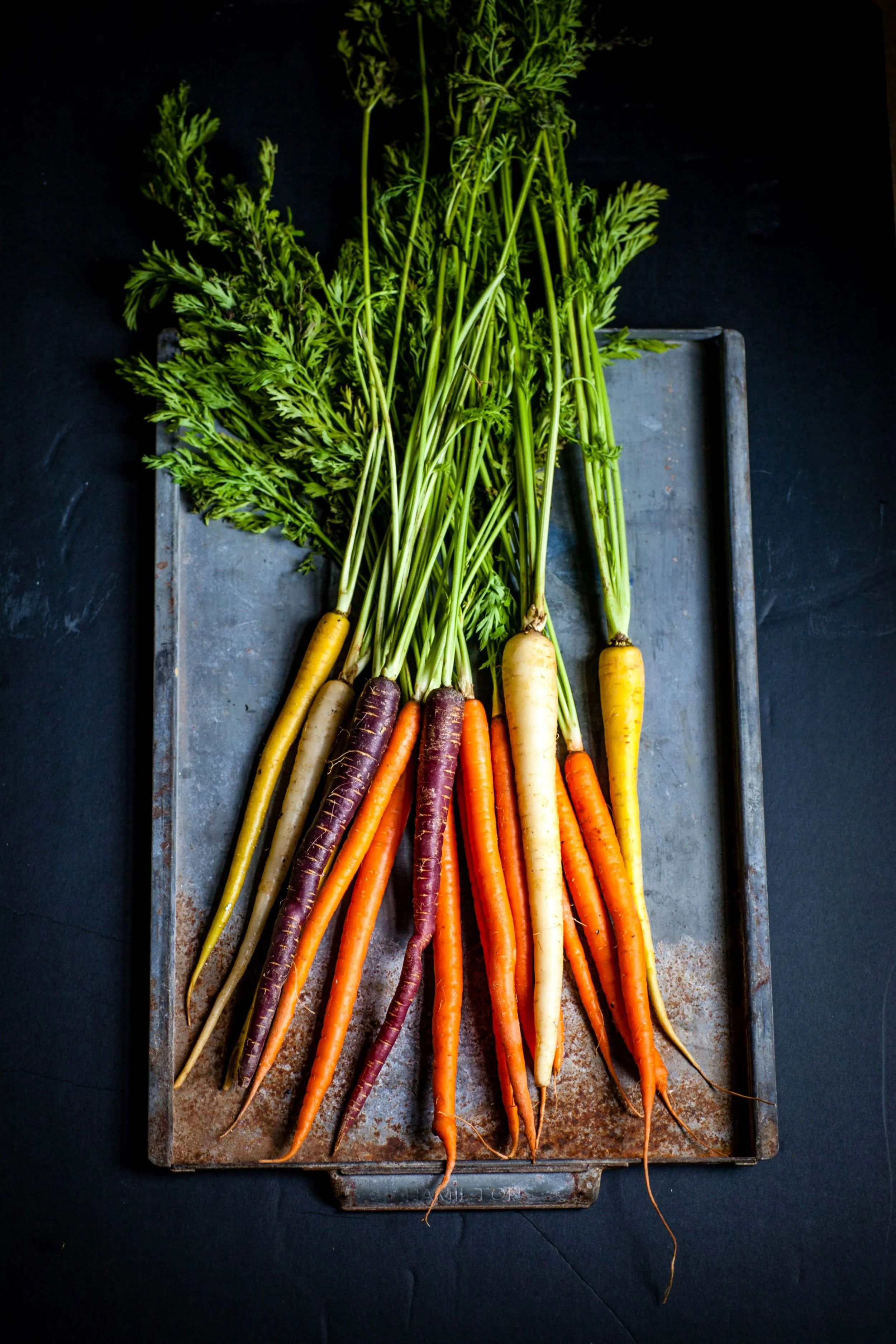
As we step into March, the Arizona low desert begins to warm and invite the change of seasons. The days grow longer, and our bodies naturally shift toward lighter foods that support digestion, steady energy, and renewal - just as nature moves toward spring’s gentle rhythm.
Eating seasonally helps us align our meals with what God and nature are providing at just the right time. Seasonal produce is often more nutrient-dense, better tasting, and naturally supportive of the body’s needs. Early spring vegetables like carrots, peas, lettuce, bok choy, kale, asparagus, fennel, onions, chard, and even lingering beets offer nourishment that feels grounding yet light - perfectly suited for the transition from winter into spring.
This month’s seasonal vegetable spotlight is carrots.
March’s Seasonal Spotlight: Carrots
Carrots (Daucus carota) are a root vegetable known for their sweet flavor and vibrant orange color - but did you know their color hasn’t always been orange? Early domesticated carrots in Central Asia were primarily purple and yellow before selective cultivation over centuries led to the modern orange varieties we know today.
Carrots can be enjoyed raw, roasted, steamed, sautéed, or blended into soups and salads, making them a wonderfully versatile ingredient.
Nutrients Found in Carrots
Carrots are rich in vitamins, minerals, and phytonutrients, including:
Vitamin A (from beta-carotene)
Vitamin K
Vitamin C
Vitamin B6
Potassium
Dietary Fiber
Carotenoids and other antioxidants
One of the most notable nutrients in carrots is beta-carotene, a precursor to vitamin A that the body converts as needed. Beta-carotene’s vibrant orange pigment not only gives carrots their color but also signals a rich source of antioxidants that support cellular health.
How Carrots Support the Body
Vision & Eye Health:
Vitamin A is essential for healthy vision, especially in dim light. While carrots don’t “improve vision by themselves,” the beta-carotene they contain helps support the nutrients needed for the retina and overall eye health.
Interestingly, when sliced in half, the internal rings of a carrot resemble the iris of the eye - a visual reminder of how beautifully God equips food to support us.
Immune & Cellular Protection:
The antioxidants in carrots help support the immune system by combating oxidative stress, protecting cells from damage, and contributing to overall resilience.
Digestive Support & Steady Energy:
Carrots provide fiber that supports digestion and encourages a healthy gut environment - perfect for early spring when the body shifts from winter’s inward focus toward movement and renewal.
Simple Ways to Enjoy Carrots This Season
Understanding the role seasonal foods play in supporting the body is important - but so is knowing how to actually use them in everyday meals. Carrots are one of the most approachable vegetables to work with, whether enjoyed raw for their crisp freshness or cooked for their natural sweetness.
If you joined me last month, the Beet, Apple and Carrot Salad shared in February is still a wonderful option as we move into March. It combines two seasonal vegetables and continues to support digestion, liver health, and gentle detox pathways.
Below are two simple, nourishing recipes that highlight carrots in different ways, making it easy to enjoy their benefits throughout the week.
Honey Roasted Carrots with Thyme & Sea Salt: Carrots are naturally sweet and supportive of digestion - especially when paired with healthy fats and slow roasting.
Carrot & Ginger Soup: Warm, blended soups are incredibly supportive for digestion - especially during seasonal transitions.
Seasonal eating doesn’t have to be complicated or overwhelming. Often, it’s about returning to simple foods, prepared well, and enjoyed consistently. These carrot recipes are meant to support your body right where you are - without perfection or pressure.
If this blog felt grounding rather than overwhelming, you will enjoy what I do beyond the content and recipes. I create personalized guidance on digestion, nourishment, and building meals that actually support your body and get you results. Schedule your Discovery Call by clicking the link below.
Resources
U.S. Department of Agriculture, Agricultural Research Service. (n.d.). Carrots, raw — USDA FoodData Central.
How Were Carrots Made? The History of Their Colors — Biology Insights.