February’s Seasonal Vegetable Spotlight: Beets
As we continue into the cooler months, February invites us to slow down, nourish deeply, and lean into foods that support circulation, immunity, and overall vitality. This month, I’m highlighting a vibrant and often underappreciated root vegetable: beets.
Beets are a seasonal staple during winter and early spring, and when enjoyed in their whole-food form, they offer powerful nutritional benefits that support the body from the inside out, but before we dive into their nutritional value, let’s revisit why it’s important to eat by the seasons.
Why Eating Seasonally Matters
Eating seasonally helps us align our meals with what God and nature are providing at just the right time. Seasonal produce is often more nutrient-dense, better tasting, and more supportive of the body’s current needs because it’s grown, harvested, and consumed as it was intended.
During the winter months, the body naturally shifts inward. Energy turns toward repair, restoration, and conserving resources rather than constant output. Root vegetables take center stage during this season for a reason - they are grounding, nourishing, and rich in minerals that support structure, circulation, and resilience.
Foods like beets, carrots, and other root vegetables grow deep in the soil, drawing up minerals that help support the body during colder, darker months when stress tends to be higher and immune demands increase. These foods offer steady energy, blood sugar support, and nourishment for connective tissue, digestion, and cardiovascular health - all systems that benefit from extra care during winter.
What Are Beets?
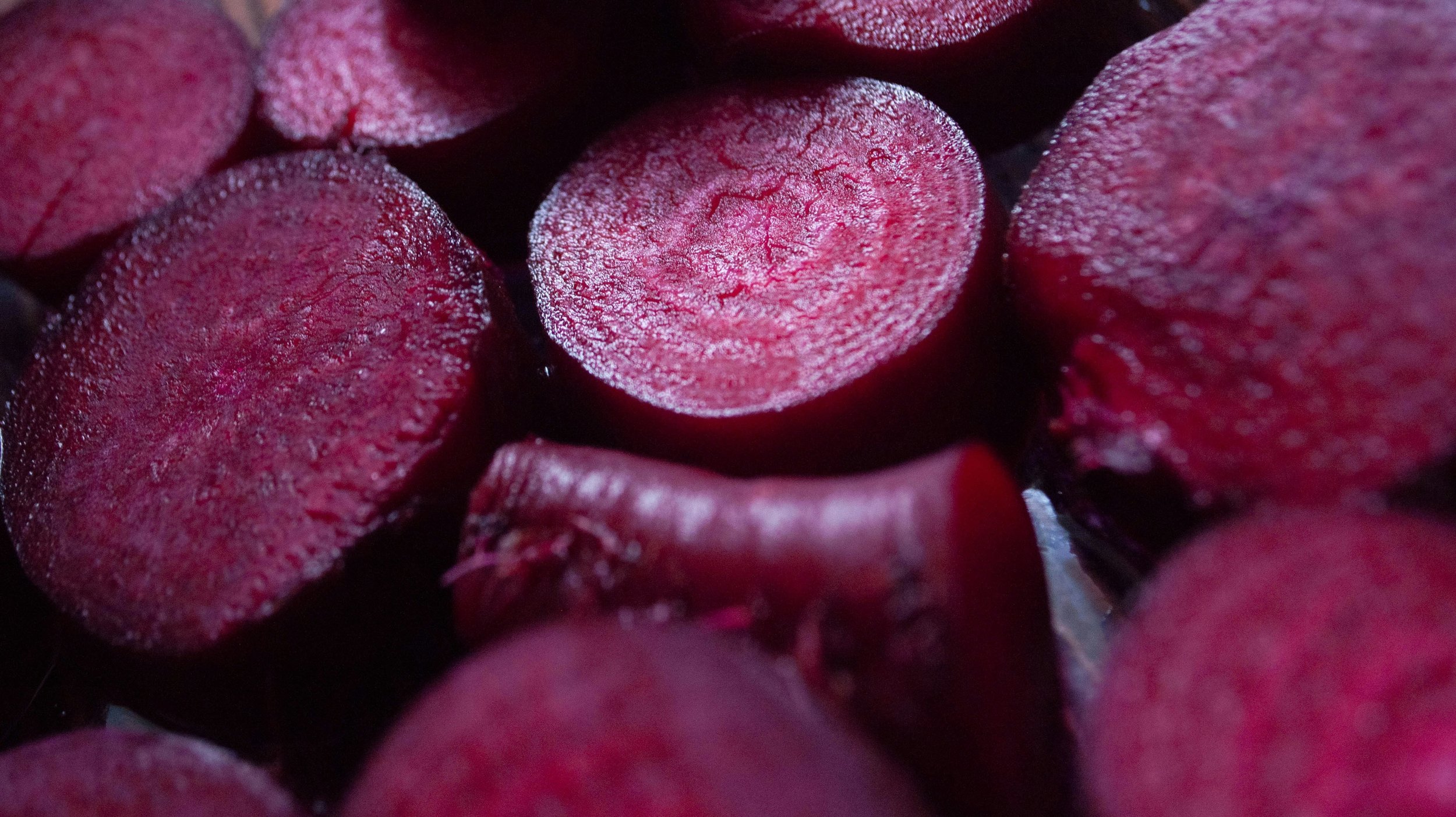
Beets are a root vegetable, scientifically known as Beta vulgaris. They are enjoyed for their earthy yet subtly sweet flavor and impressive nutrient profile. Beets can be eaten raw, roasted, steamed, juiced, or pickled, making them incredibly versatile in the kitchen.
Key Health Benefits of Beets
Root Vegetable Support & Silica Content
Root vegetables, including beets, are naturally high in silica. Silica plays an important role in collagen formation and supports the elasticity and resilience of connective tissue. It also helps regulate calcium placement in bones and soft tissue, contributing to overall structural health.
Natural Nitrates for Circulation
Beets are well known for their high nitrate content. Nitrates are naturally occurring compounds found in leafy greens and root vegetables. In the body, nitrates support blood flow and circulation, making beets especially beneficial for cardiovascular health and physical performance.
Folate (Vitamin B9)
Beets are an excellent source of folate, providing approximately 20% of the daily value per 100 grams (about ½ cup). Folate plays a critical role in DNA synthesis, cell division, red blood cell formation, and overall cardiovascular support.
Low Calorie, High Nutrition
One of the most beautiful aspects of beets is that they are highly nutritious while remaining relatively low in calories. This makes them an ideal food for supporting metabolic health without compromising nourishment.
A Biblical & Functional Perspective
Some foods in God’s creation resemble the organs or systems they support most. Beets, with their deep red and purple hues, closely resemble blood. It’s fitting, then, that beets are most well-known for supporting cardiovascular health and blood circulation.
Their natural nitrates, combined with antioxidants like betalains and vitamin C, help combat oxidative stress, support immune health, and protect the body at a cellular level.
Red Beets vs. Golden Beets
There are two primary varieties of beets:
Red beets, the most common variety, known for their deep color and earthy flavor
Golden beets, which offer a milder, slightly sweeter taste
Nutritionally, both varieties are very similar, offering the same vitamins and minerals. The choice between them often comes down to taste preference and culinary use.
What’s Coming Next
I’m excited to share two new recipes highlighting beets in fun, nourishing, and approachable ways. Whether you’re new to cooking with beets or already love them, these recipes are designed to help you enjoy this seasonal vegetable with confidence and ease.
Stay tuned!
Resources
USDA FoodData Central – Beets, raw nutrition data
PubMed Central – Beetroot as a functional food with antioxidant and cardiovascular benefits