September’s Seasonal Spotlight: Cantaloupe and Honeydew
September in Arizona can be an interesting month.
The calendar may tell us fall is approaching, but the temperatures often tell a very different story. We may still have plenty of triple-digit days ahead, but there are small signs that a new season is on the horizon. Pumpkin spice lattes are back, fall décor is making its appearance, and yet we are still months away from needing a sweater.
And while we may typically associate melons with the peak of summer, here in Arizona, cantaloupe and honeydew are still being harvested through September and into October.
Cantaloupe and honeydew are two fruits we are probably all familiar with. You have likely seen them filling fruit trays at summer gatherings, served alongside breakfast, or tucked into the corner of a restaurant plate. Because they are so common, they can be easy to overlook.
But these simple fruits have quite a bit to offer.
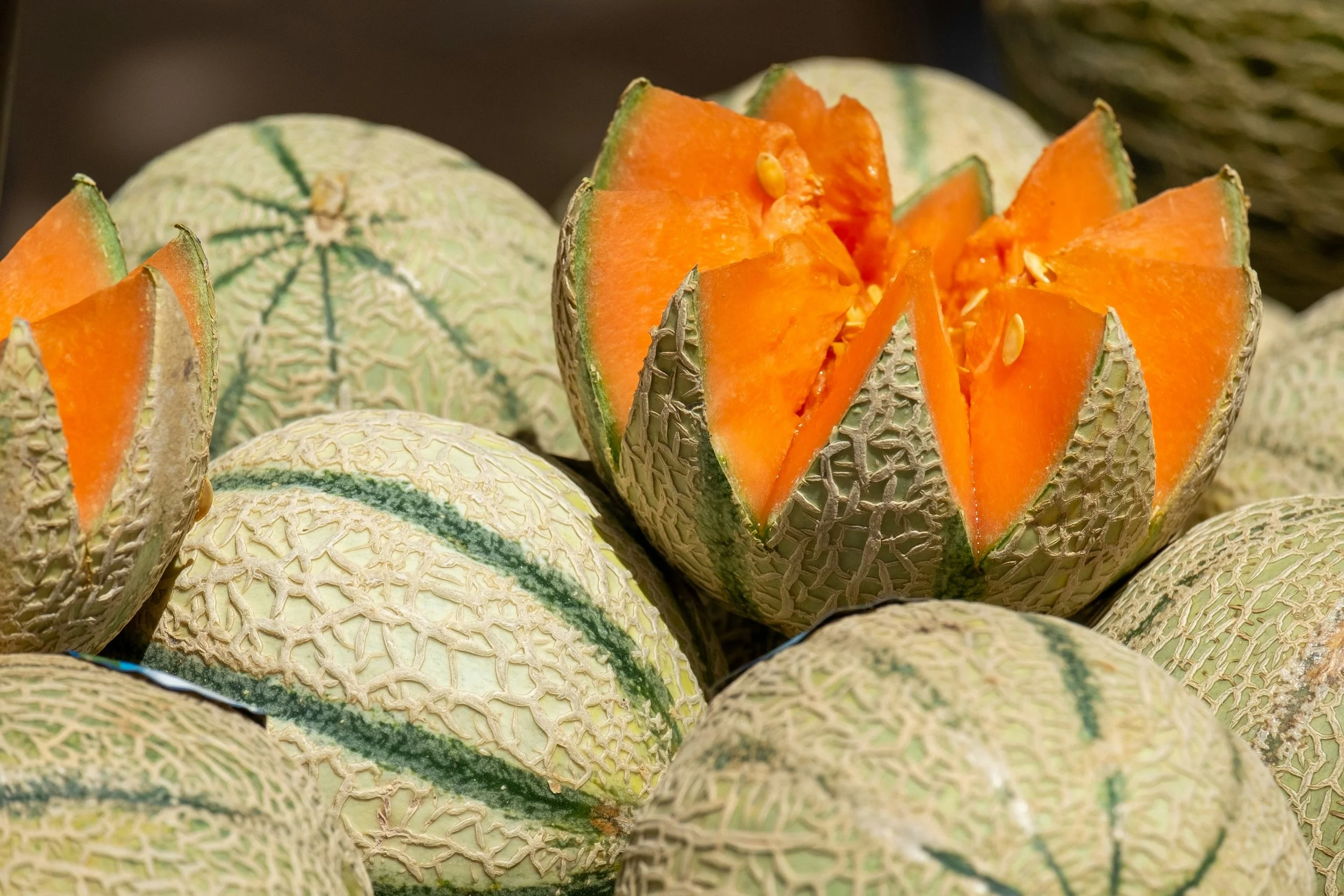
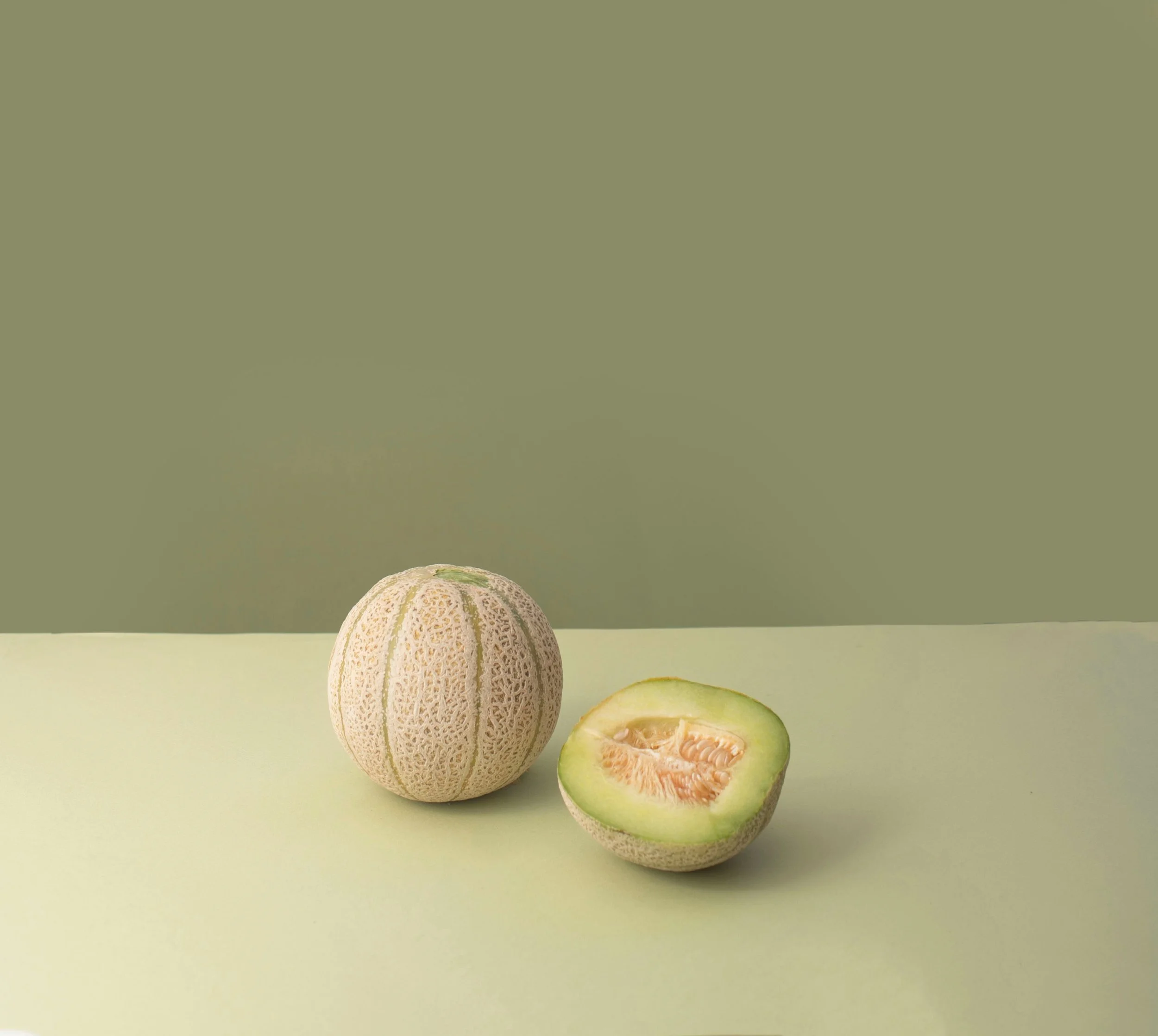
Cantaloupe and honeydew are both varieties of Cucumis melo, but their different colors give us a clue that their nutritional profiles are not exactly the same. The vibrant orange color of cantaloupe comes largely from carotenoids like beta-carotene, while green-fleshed honeydew contains much lower amounts of beta-carotene. Both, however, provide valuable vitamins, minerals, water, and other naturally occurring plant compounds.
It is another beautiful reminder of why I encourage eating a variety of whole foods. Different colors often bring different nutrients to the table, and we don't have to choose one as "better" than the other.
Why Cantaloupe & Honeydew Are So Nutritious
Melons are made up largely of water, which makes them wonderfully refreshing during our long, warm months. But don't mistake their high-water content for a lack of nutrition.
Both cantaloupe and honeydew provide important nutrients that help nourish the body. They share several nutritional benefits, while each also offers a few distinct advantages.
Both cantaloupe and honeydew provide:
Vitamin C to support immune function, collagen production, and the body's natural antioxidant defenses.
Potassium, an essential mineral involved in normal muscle contraction, nerve signaling, and fluid balance.
Folate, an important B vitamin involved in healthy cell growth and division.
Fiber to support healthy digestion.
Plenty of water, making both melons a simple way to add additional hydration through food.
Cantaloupe also provides:
Beta-carotene, which gives cantaloupe its beautiful orange color and can be converted by the body into vitamin A to support healthy vision and immune function. Research comparing melon varieties has found that orange-fleshed cantaloupes generally contain significantly more beta-carotene than traditional, green-fleshed honeydew.
That doesn't mean honeydew is somehow inferior. It simply demonstrates how the color and variety of the foods we eat can influence the nutrients they provide.
Potential Health Benefits
Regularly including a variety of whole, nutrient-dense foods gives our bodies many of the raw materials they need to function well.
The nutrients found in cantaloupe and honeydew may help:
Support healthy immune function through nutrients like vitamin C and, particularly in cantaloupe, beta-carotene.
Support healthy vision through the provitamin A carotenoids found in orange-fleshed cantaloupe.
Promote healthy hydration thanks to their naturally high-water content.
Support normal muscle and nerve function through potassium.
Promote healthy digestion by providing both water and fiber.
Protect cells from oxidative stress through vitamin C, carotenoids, and other naturally occurring plant compounds.
And yes, melons are naturally sweet.
But naturally occurring sugar in whole fruit comes packaged alongside water, vitamins, minerals, phytonutrients, and fiber.
How to Choose and Store Melons
There is nothing quite as disappointing as cutting into a beautiful melon only to discover that it has almost no flavor.
When choosing a cantaloupe, look for one that:
Feels heavy for its size.
Has a raised, web-like netting over the rind.
Has a cream or yellowish color underneath the netting rather than a distinctly green color.
Has a slightly sweet aroma, particularly near the stem end.
Gives just slightly when gently pressed at the blossom end.
When choosing a honeydew, look for one that:
Feels heavy for its size.
Has a smooth, waxy rind.
Has shifted from a greenish color toward a creamy or yellowish-white color.
Gives slightly when pressed at the blossom end.
Has a subtle, sweet aroma.
Unlike cantaloupe, honeydew does not naturally "slip" from the vine when ripe, which can make determining ripeness a little trickier.
Once your melon is cut, store it covered in the refrigerator.
And one important reminder: wash the outside of your melon before cutting into it. Even though you aren't eating the rind, your knife can carry bacteria from the outside surface into the flesh as you cut.
Simple Ways to Enjoy Cantaloupe and Honeydew
Of course, both melons are delicious eaten cold and straight from the refrigerator, but there are plenty of ways to incorporate them into meals and snacks.
Try serving melon:
With cottage cheese and a sprinkle of cinnamon
With plain Greek yogurt and chopped walnuts
Tossed with cucumber, fresh mint, and lime
Wrapped with prosciutto for a sweet and salty combination
You don't have to turn every seasonal fruit into an elaborate recipe to benefit from it. Sometimes the simplest preparation is the best one.
The Gift of Seasonal Eating
One of the things I love about eating seasonally is that it encourages us to pay attention.
Instead of eating the same handful of fruits and vegetables all year long, the changing seasons give us an opportunity to experience different colors, flavors, textures, and nutrients.
And September in Arizona gives us another opportunity to enjoy the abundance of melons grown right here in our state.
Something as ordinary as a cantaloupe or honeydew may not seem particularly exciting. But simple does not mean insignificant.
This month, I encourage you to take advantage of the last stretch of Arizona's melon season. Pick up a cantaloupe or honeydew, enjoy it alongside a nourishing meal, and appreciate another simple way God has provided food to nourish our bodies.
Resources
Arizona Department of Agriculture – Arizona Harvest Schedule
U.S. Department of Agriculture – FoodData Central: Cantaloupe, Raw
U.S. Department of Agriculture – FoodData Central: Honeydew Melon, Raw
Lester, G.E., et al. – Provitamin A and Vitamin C Contents in Selected California-Grown Cantaloupe and Honeydew Melons and Imported Melons, Journal of Food Composition and Analysis
Moyo, M., et al. – Cultivar and Postharvest Storage Duration Influence Fruit Quality, Nutritional and Phytochemical Profiles of Soilless-Grown Cantaloupe and Honeydew Melons, Plants
Fleshman, M.K., et al. – Carotene and Novel Apocarotenoid Concentrations in Orange-Fleshed Melons, Journal of Agricultural and Food Chemistry