What Do “Grass-Fed,” “Free Range,” and “Wild Caught” Really Mean?
Have you ever stood in the grocery aisle, staring at labels, wondering what all those terms really mean? Grass-fed, pasture-raised, free range, cage free, wild caught. They sound wholesome, but the differences can be confusing.
Just the other day, I was shopping when a woman turned to me and asked: “What’s the difference between pasture-raised and grass-fed?” Little did she know, she asked the right person!
Let’s break down some of the most common terms so you can feel confident about the choices you make.
Grass-Fed vs. Pasture-Raised
Grass-Fed
When you see “grass-fed” on beef, lamb, bison, buffalo, or goat, it means the animal ate grass at some point in its life. That’s different from animals raised in feedlots and fed mostly grains.
If you want to be sure the animal only ate grass and nothing else, look for “grass-fed, grass-finished.” The term grass-finished means the animal wasn’t given grains at the end of its life to fatten it up. Instead, it lived on grass from start to finish.
Pasture-Raised
This label means the animal spent time outdoors in a pasture. But here’s the catch: it doesn’t always mean the animal ate grass. It could still be fed grains while outdoors.
The takeaway: pasture-raised is about where the animal lived, while grass-fed (and ideally grass-finished) is about what the animal ate.
Cage Free vs. Free Range
Cage Free
Cage free simply means poultry weren’t confined to cages. It doesn’t guarantee they had access to the outdoors, it just means more indoor space.
Free Range
Free range means chickens or poultry had access to the outdoors. However, “access” can be minimal, and many still spend most of their lives indoors.
If you want eggs or poultry raised in the most natural way, look for pasture-raised, where birds can roam freely, peck at bugs, and eat grasses and seeds from the land.
Wild Caught vs. Farm Raised
Wild Caught
Wild caught seafood comes from its natural habitat, such as oceans, rivers, or lakes. These animals live and eat the way nature designed.
Farm Raised
Farm raised seafood, on the other hand, is produced in pens or enclosures. These fish are often fed unnatural diets, and their environment can be crowded or polluted.
If possible, talk to local fishermen about where and how they catch their fish. Building that relationship helps you know more about the food on your plate.
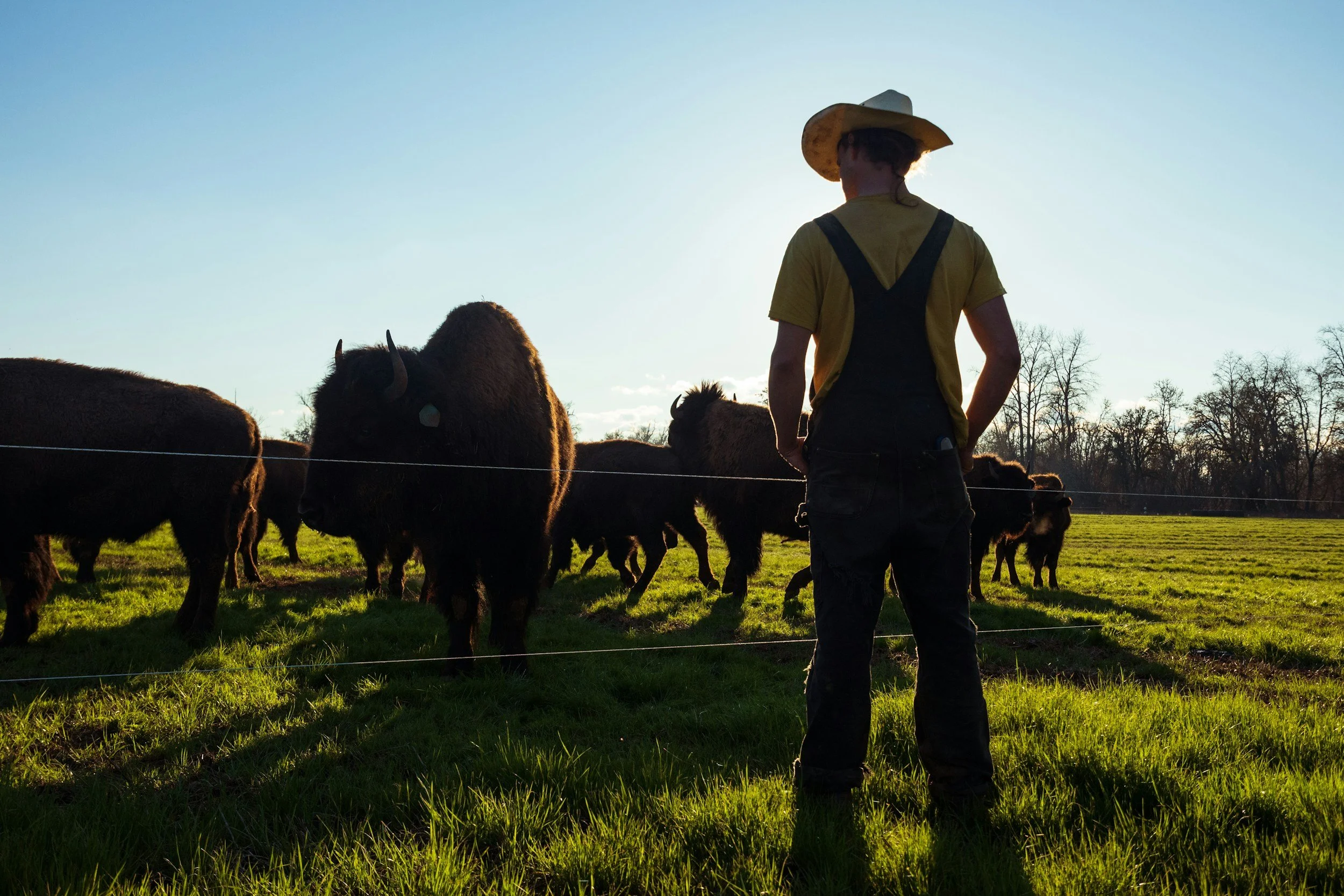
The Best Way to Know? Go Local (When You Can)
Food labels can be helpful, but they can also be confusing. One of the most reliable ways to learn where and how your food was raised is to buy directly from a local farmer or fisherman. When that’s possible, it gives you the chance to ask questions, understand their practices, and build a connection with the food you’re eating.
If local options aren’t available where you live, don’t worry! You can still look for trusted certifications (like grass-fed, pasture-raised, or non-GMO) and brands that value transparency in their sourcing.
Some of My Personal Favorites
AZ Grass Raised Beef: Local to Arizona
Moink: A farmer’s subscription box
Vital Farms: Eggs and butter you can find in many grocery stores
Decoding food labels doesn’t have to feel overwhelming. Once you understand what the terms mean, you can make choices that align with your values, your health, and your budget.
And remember, it’s not about perfection, it’s about progress and awareness. Every step toward more intentional eating is a step toward nourishing your body well.